
Solutions for a Better Night’s Sleep
Continuous Positive Airway Pressure (CPAP) therapy is the most effective and widely prescribed treatment for Obstructive Sleep Apnea (OSA). By delivering a stream of pressurized air through a mask, the CPAP machine keeps the patient’s airway open, preventing the pauses in breathing that characterize sleep apnea.
However, the journey to restful sleep with CPAP is often met with initial challenges. While the machine itself is vital, the mask is the critical interface between the therapy and the user, and it is frequently the source of the most common complaints. A mask that is uncomfortable, leaky, or ill-fitting can severely compromise compliance and undermine the effectiveness of the treatment.
By identifying and addressing the top five problems associated with CPAP masks, users can significantly improve their comfort, consistency, and overall quality of life.
1. Air Leaks and Poor Seal (The Silent Saboteur)
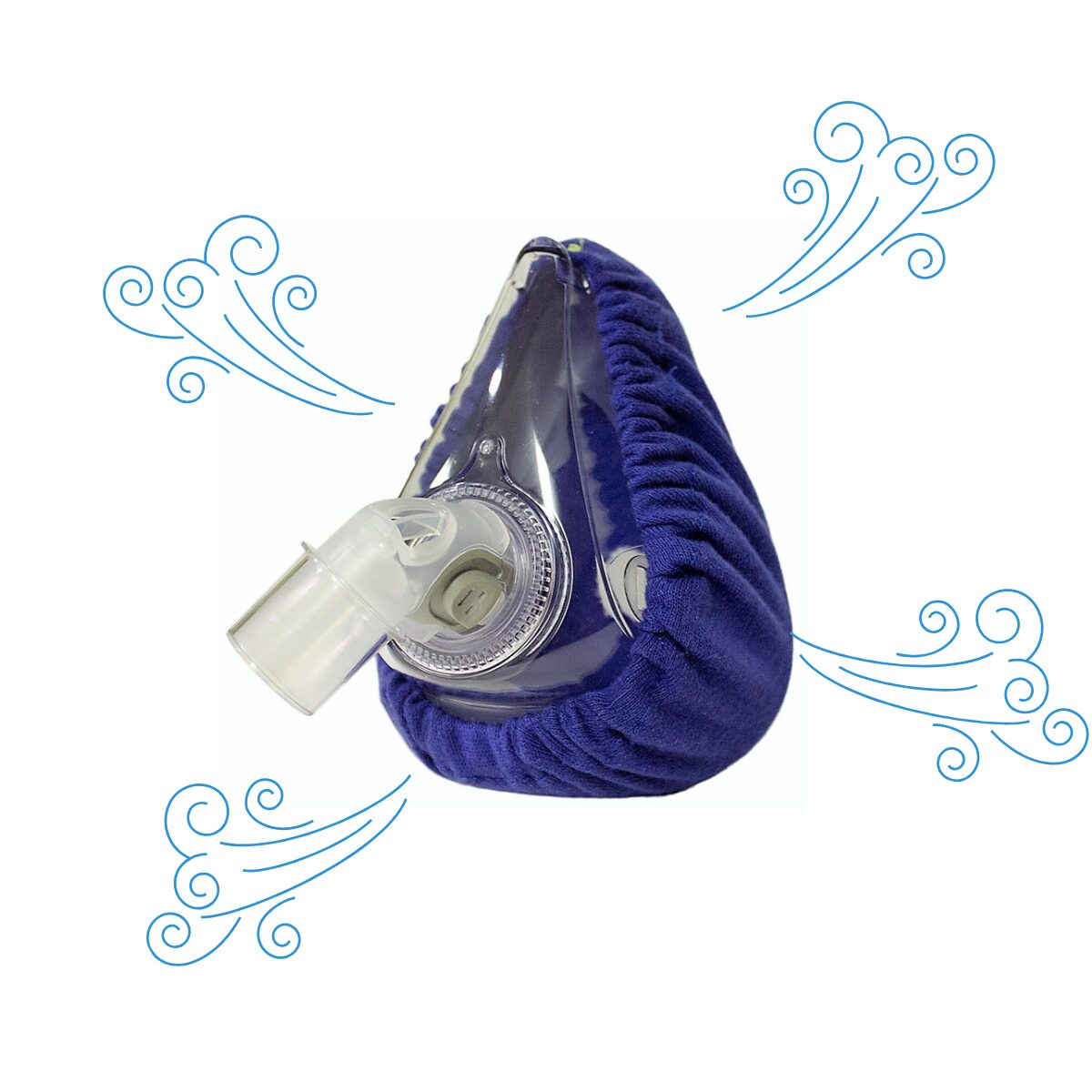
The Problem
Mask leaks are hands down the most common and disruptive issue for CPAP users. A leak occurs when air escapes from under the edges of the mask cushion instead of remaining contained to keep the airway open.
Why it Matters:
- Reduced Effectiveness: Leaks cause the prescribed air pressure to drop, making the therapy less effective and potentially allowing apneas to occur.
- Irritation: Leaking air can blow directly into the eyes, causing dryness and irritation, or create loud whistling noises that disturb the user and their partner.
- Compensation: Users often overtighten the headgear to stop leaks, which only creates a new set of problems (see Problem #2).
The Solution
- Check Fit and Position: The mask should be snug, but not overly tight. Adjust the mask while lying down, as your facial contours change when reclined.
- Cleanliness: Oils, dirt, and cosmetics on the face and the mask cushion can degrade the silicone and interfere with the seal. Wipe your face and the mask cushion daily.
- Replacement Schedule: Cushions and pillows wear out and lose their elasticity, typically requiring replacement every 3 to 6 months.
- Facial Hair: Beards or heavy stubble can break the seal. Consider a mask designed for facial hair or use a mask liner to bridge the gap.
2. Skin Irritation, Red Marks, and Pressure Sores
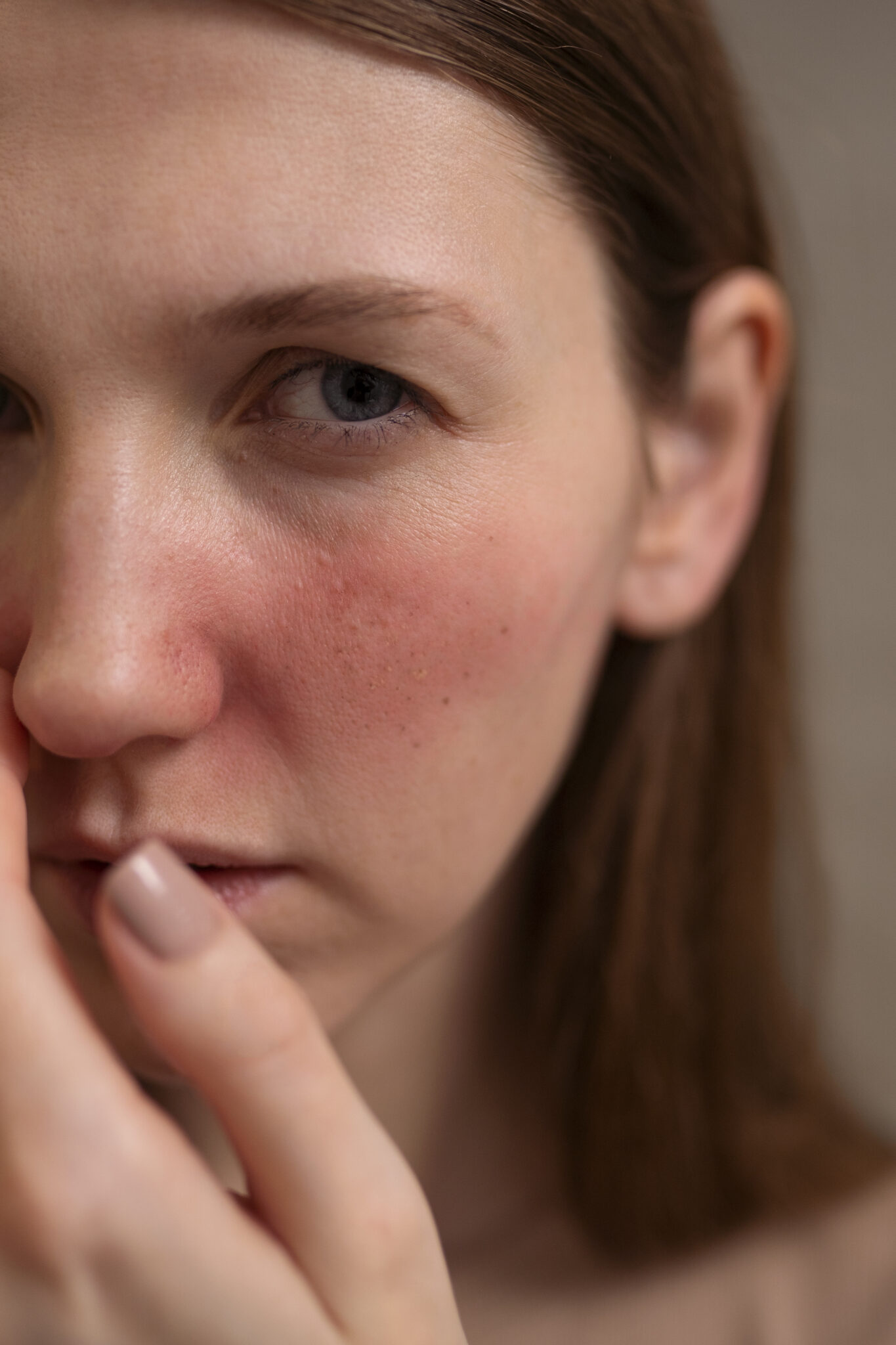
The Problem
Many CPAP users wake up with red marks, indentations, or even painful pressure sores on the bridge of the nose or cheeks. This is often an immediate consequence of compensating for a poor fit by overtightening the headgear. The constant pressure cuts off minor blood flow and can lead to rashes or skin breakdown (dermatitis).
The Solution
- Stop Overtightening: The goal is a snug fit, not a vice grip. The pressurized air should help create the final seal. Try loosening the straps and only tighten them until the leak noise stops.
- Use Mask Liners: Fabric or disposable cotton liners fit between the silicone cushion and your skin, acting as a soft barrier to reduce friction and absorb moisture.
- Proper Sizing: An ill-fitting mask (too small or too large) forces you to tighten the headgear excessively. Have your size professionally checked by a DME provider.
- Daily Hygiene: Washing your face and mask daily removes oils and sweat that can trap bacteria and worsen skin irritation.
3. Discomfort and Claustrophobia (The Psychological Hurdle)
The Problem
For many new users, the feeling of having a foreign object strapped to their face, combined with the sensation of pressurized airflow, can trigger feelings of anxiety, panic, or claustrophobia. This discomfort is a primary reason why patients stop using their therapy early on.
The Solution
- Gradual Desensitization: Practice wearing the mask while awake during the day—while reading, watching TV, or doing household chores. Start with the mask off, then wear it with the machine on the “Ramp” setting for short periods.
- Explore Low-Profile Masks: If a full-face mask feels overwhelming, try a nasal mask or, even smaller, a nasal pillow mask. These minimalist designs cover less of the face and may alleviate the closed-in feeling.
- Focus on Breathing: Use relaxation techniques. Consciously focus on steady, rhythmic breathing. If breathing out against the pressure is difficult, ask your doctor about the machine’s “Expiratory Pressure Relief” (EPR) or a BiPAP machine.
4. Dry Mouth, Dry Nose, and Nasal Congestion

The Problem
The pressurized air delivered by a CPAP machine, particularly if it is cold and dry, can rapidly strip the moisture from the nasal passages, mouth, and throat. This leads to dryness, irritation, congestion, and in severe cases, nosebleeds. For users of nasal masks, mouth breathing due to nasal congestion causes the air to escape through the open mouth, resulting in a severely dry or “cotton” mouth in the morning.
The Solution
- Use a Heated Humidifier: Most modern CPAP machines include a heated humidifier. This device adds moisture and warmth to the air, preventing dryness. Adjusting the humidity level can dramatically improve comfort.
- Heated Tubing: Using a heated tube ensures the moist, warm air maintains its temperature until it reaches the mask, preventing “rainout” (condensation) and optimizing the air’s moisture content.
- Address Mouth Leaks: If you use a nasal mask but breathe through your mouth, consider a chin strap to keep your mouth closed. Alternatively, switch to a full-face mask that covers both the nose and the mouth to prevent air from escaping.
- Saline Spray: Using a saline nasal spray before bed can help moisten the nasal passages and relieve congestion.
5. Mask Movement and Dislodgement During Sleep
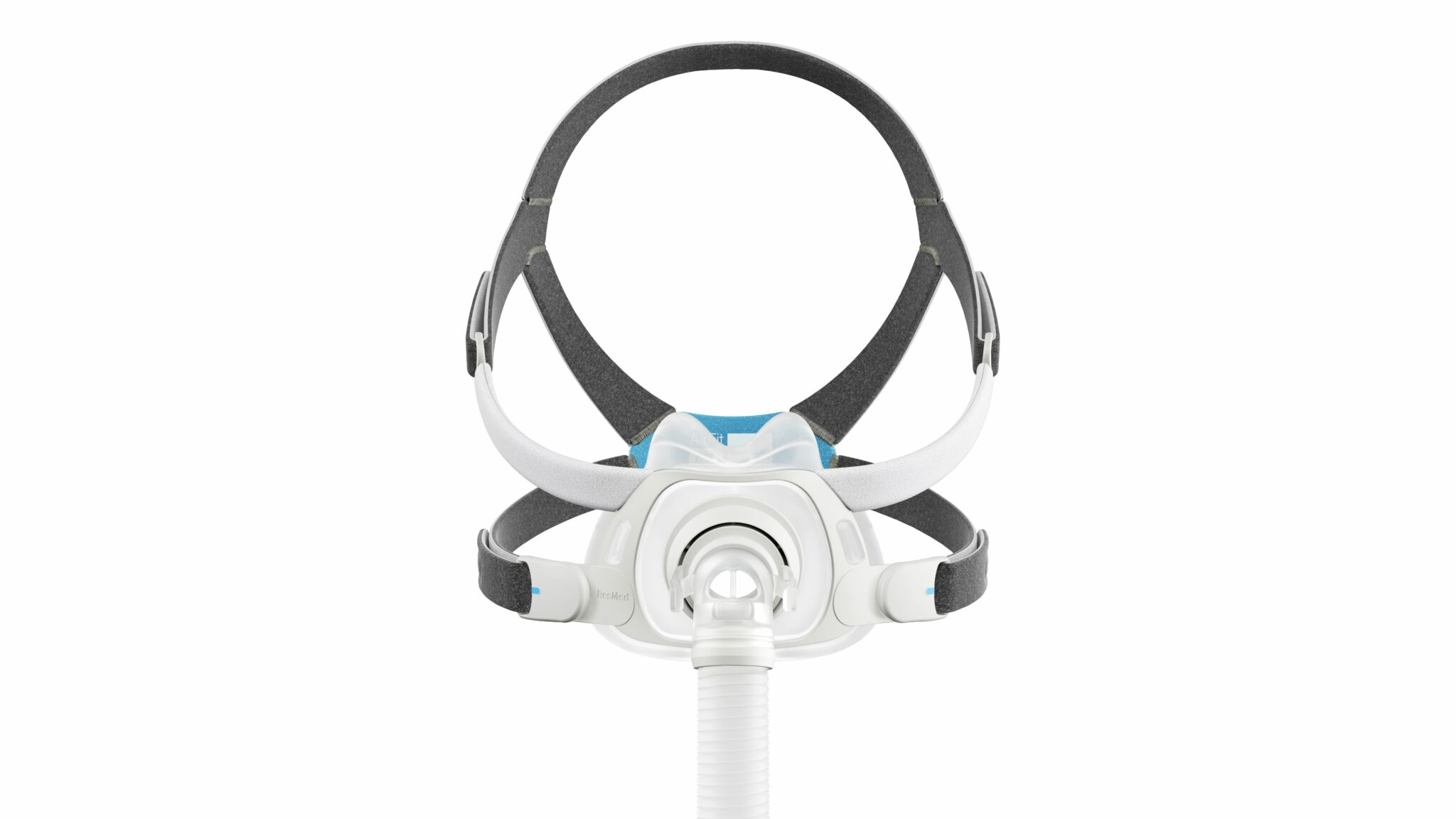
The Problem
Active sleepers, especially those who toss and turn or frequently sleep on their side or stomach, often struggle to keep their mask sealed and properly positioned throughout the night. Mask dislodgement means the user is effectively not receiving therapy for part of the night.
The Solution
- Choose a Sleep-Position-Specific Mask:
- Side Sleepers: Often do best with nasal pillow or nasal cradle masks, as they have a minimal profile.
- Active Sleepers: Masks with the tubing connection placed at the top of the head (on the crown) allow the hose to move freely without snagging or pulling on the mask seal.
- CPAP Pillows: Special pillows with cutouts or contours are designed to accommodate the bulk of the CPAP mask, reducing pressure and preventing the mask from shifting when sleeping on your side.
- Correct Headgear Tension: Avoid overtightening (which can cause the mask to pop off) or undertightening (which allows it to slide). The mask should move as little as possible when you change positions, but without creating pain.
Achieving CPAP Success
CPAP therapy offers life-changing benefits, but mask problems are the most frequent roadblock to consistency. The key takeaway for any CPAP user is that most problems are solvable.
If you are experiencing persistent issues with leaks, discomfort, or skin irritation, the solution is rarely to give up. Instead, it is often a matter of adjusting the fit, replacing a worn-out component, or switching to a different style of mask altogether.
Do not hesitate to contact your sleep physician or durable medical equipment (DME) provider. Their expertise is invaluable in troubleshooting these issues and ensuring you have the right tool—the perfect mask—for a truly restful night of sleep.
These solutions were provided by SleepRestfully, the best online CPAP shop in Houston, TX.