
Here are The Top 6 CPAP Travel Tips
Traveling with a CPAP isn’t “seamless”—it’s a logistical puzzle. I’ve woken up with a dry, scratchy throat in the Rockies and wrestled with tangled, serpent-like hoses in cramped airplane bathrooms. Anyone who tells you it’s easy hasn’t spent thirty minutes on their hands and knees in a dark hotel room trying to find a socket behind a headboard. Here is how you actually survive the road without losing your mind (or your sleep).
1. The “Hidden” Carry-On Rule
Never let a gate agent bully you into checking your machine. I’ve felt that heart-sinking thud of a “gate-checked” bag hitting the tarmac; don’t let that be your $800 medical device. I once watched through a terminal window as a baggage handler tossed a suitcase—luckily not mine—that looked exactly like my ResMed case. My stomach did a somersault.
- The Reality: It’s a medical necessity. Under the Americans with Disabilities Act (ADA) and DOT regulations, it does not count toward your carry-on limit. You can have your rolling suitcase, your backpack, and your CPAP bag.
- The Tip: Carry a printed copy of the DOT “CFR 382.121” regulations. Handing a physical, crinkly piece of paper to a flustered agent usually ends the argument instantly. Digital copies on a phone are okay, but there’s something about a physical document that makes people take you more seriously.
2. TSA: The “Ziploc” Buffer
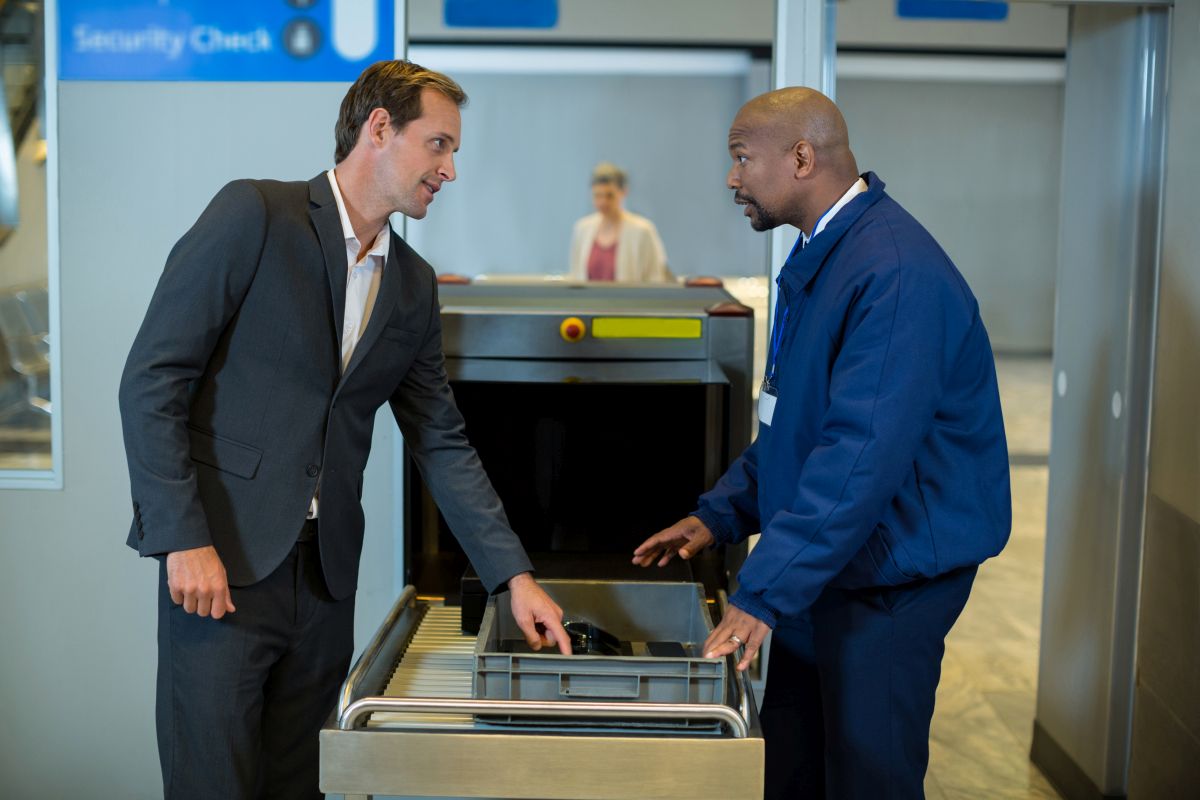
The plastic bins at security are grimy and scratched. I hate the thought of my intake filter—the very thing that keeps my lungs clean—touching the same surface where someone just put their salt-stained winter boots.
- Sensory Fix: Buy a box of gallon-sized Ziploc bags. Before you even get in line, slide the main unit into the bag. The sharp crinkle of the plastic is a small price for peace of mind. It keeps the dust and the “airport smell” off your machine.
- The Interaction: If the TSA agent needs to pull your machine for an explosive trace detection (ETD) swab, don’t be shy. I always wait for that audible snap of latex or nitrile. If they don’t change their gloves, I politely ask them to. You’re breathing through this machine for eight hours; you don’t want whatever was on the last guy’s belt buckle inside your humidifier.
3. The Humidifier Headache

Lugging a heavy, sloshing gallon of distilled water from a CVS to your hotel at 11 PM is a special kind of misery. I’ve been there—walking three blocks in the rain because I didn’t want to ruin my heating element with tap water.
- The “Nursery” Hack: Most gas stations and “Express” grocery stores don’t carry distilled water in the beverage aisle. Look in the baby aisle for “Nursery Water” with the bright pink cap. It’s steam-distilled and often comes in manageable 1-liter bottles rather than the “Goldilocks” gallon jugs that are impossible to pack.
- The “Rainout” Sound: In cold hotel rooms, the warm air from your machine hits the cold air in the hose and turns back into water. You’ll hear a wet, gurgling pop—like someone finishing a soda with a straw—right before a drop of cold water hits your nose. This is “rainout.”
- The Fix: Don’t bother with expensive hose covers. Just coil the hose under the covers with you. The radiant warmth of your body keeps the air inside the tube warm enough to prevent condensation better than any “smart” setting I’ve ever used.
4. Power: The “Distant Outlet” Trap
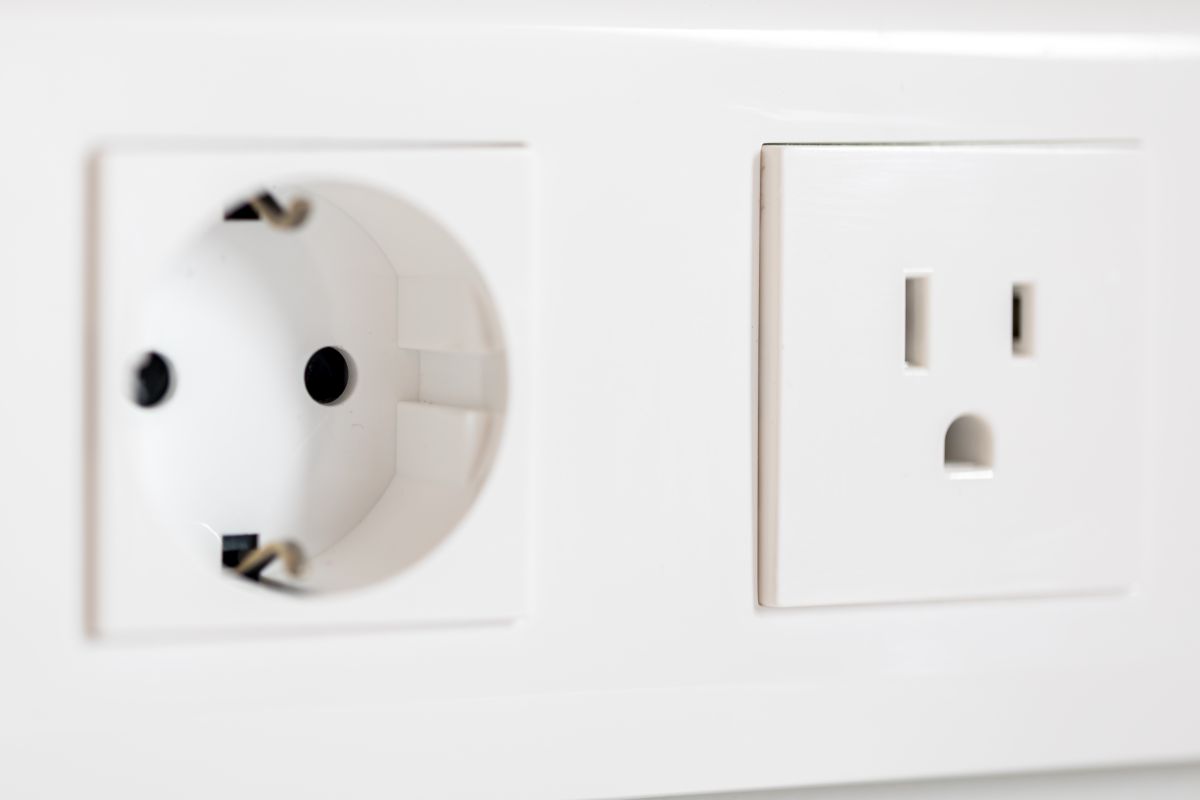
Hotel designers seemingly hate CPAP users. I’ve stayed in historic boutiques in Europe where the only outlet was located behind a dusty, heavy mahogany dresser on the opposite side of the room. I once spent a night sleeping on the floor next to a bathroom door because my cord wouldn’t reach the bed.
- The Kit: Pack a 10-foot thick, rubberized extension cord and a small power strip. Hotels are notorious for having “loose” outlets where your plug just falls out halfway through the night. A power strip with a snug fit prevents that sudden, silent halt of airflow that wakes you up gasping.
- International Travel: Most modern machines are dual-voltage (100V to $240V), but you still need the adapter. I prefer the ones that “click” firmly into place. If it wiggles, your machine might cycle on and off all night, which is a nightmare for your motor’s lifespan.
5. The “Paper Trail” and Repairs

If your mask cushion tears—a soft, silicone snap that sounds like a tiny balloon popping—your therapy is over. You can’t just go to a pharmacy and buy a new one; they are “prescription only” in many jurisdictions.
- The Digital Backup: Take a photo of your actual prescription and your “mask fit” settings. Having that glowing screen to show a local Durable Medical Equipment (DME) provider can save your vacation. I also keep a spare “nasal pillow” tucked into the side pocket of my case. It’s small, light, and has saved me twice when my primary mask developed a leak.
- The Smell of Vinegar: If you’re forced to use tap water for a few nights, you’ll notice a white, chalky crust forming. Don’t scrape it. When you get home, soak it in a 1:3 vinegar-water mix. That sharp, vinegary sting is the smell of your machine being saved from permanent mineral damage.
6. Flying While Masked
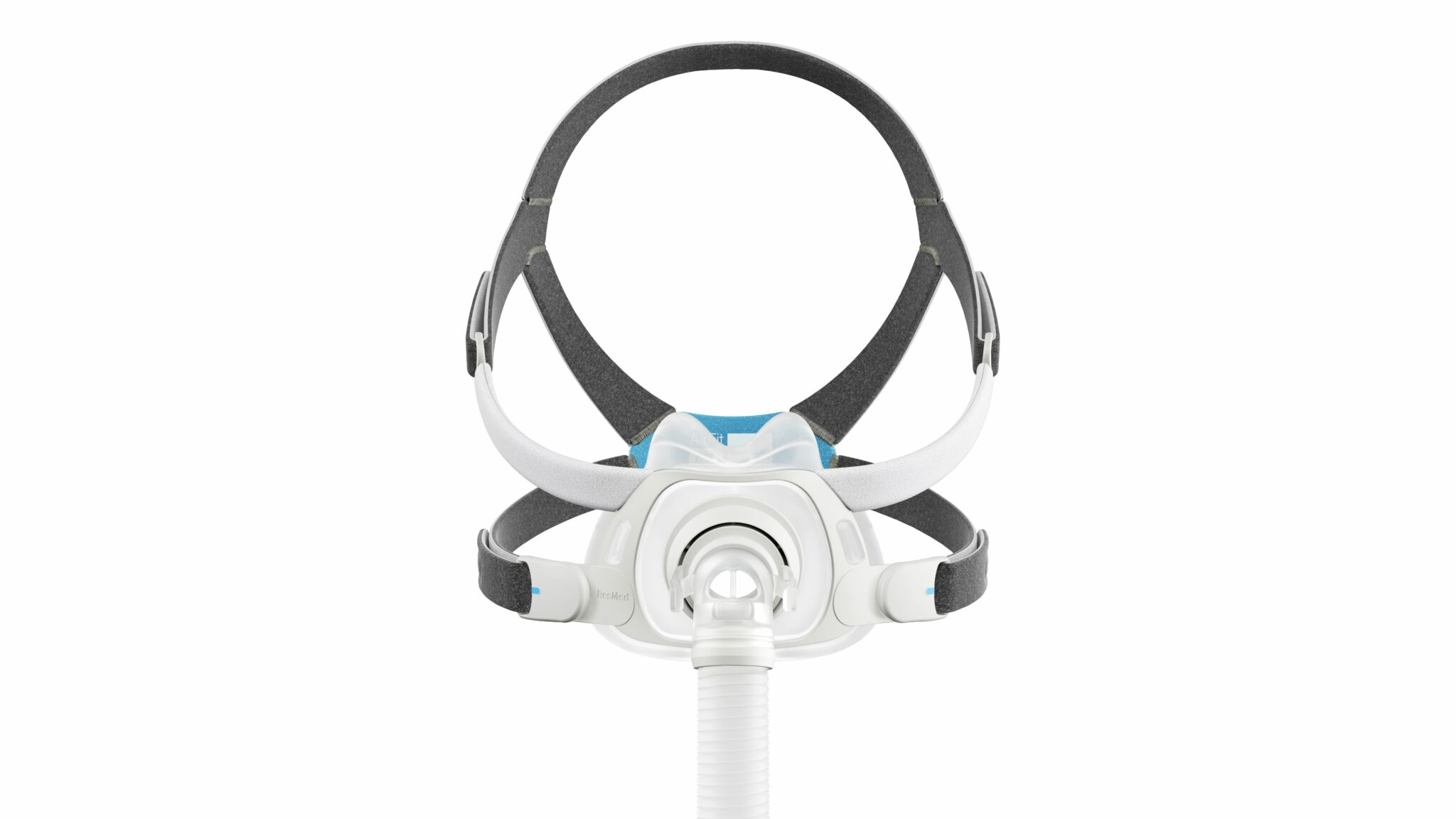
If you’re on a long-haul flight, don’t be embarrassed to use the machine in your seat. I used to be self-conscious about the hissing sound of the mask, but the hum of the jet engines completely drowns it out.
- Pro Tip: Look for the “FAA Compliance” sticker on the bottom of your machine. It’s usually a small string of text that says “This device is FAA compliant for in-flight use.” If a flight attendant asks, just point to the sticker. They are usually more interested in the brightly colored medical tag on your bag than the machine itself.
These tips were provided by Sleeprestfully. The best online CPAP machine shop in Houston, TX.